







5 Biological Keys to Understanding and Managing Spring Allergies
The transition to spring represents a biological rebirth in the environment, but for a considerable portion of the population, this seasonal change triggers an exaggerated defensive response. Spring allergies are not a disease in the traditional sense, but a manifestation of a hypersensitive immune system that identifies harmless particles, such as pollen, as lethal threats. Understanding the internal mechanisms that regulate this reactivity is the first step to navigating this season with greater holistic wellness and reducing reliance on temporary solutions that only mask the symptom.
1. The histamine cascade and mast cell activation
The allergic process is based on the release of chemical mediators, with histamine being the main protagonist. When pollen comes into contact with the mucous membranes of a sensitized person, mast cells (immune system cells) release bursts of this substance. Histamine causes blood vessel dilation and smooth muscle contraction, which translates into nasal congestion, sneezing, and watery eyes. This event is a "cleaning" response that the body executes to expel the perceived invader, although in the case of allergies, the magnitude of the response is disproportionate.
2. The gut-immune axis: the origin of tolerance
Almost 80% of the cells that make up the immune system reside in the digestive tract. Therefore, the body's ability to differentiate between a real pathogen and a pollen grain depends directly on the integrity of gut health. When there is dysbiosis or an imbalance in the microbiota, the defense system enters a state of hyper-alertness, which facilitates the development of spring allergies. Strengthening the intestinal barrier allows the immune system to regain its "education" and respond more balancedly to environmental stimuli.
Understanding how the stability of your digestive system modulates your defensive response is fundamental to reducing seasonal hypersensitivity.
Gut health and holistic wellness: the key you were ignoring
3. Chronic low-grade inflammation and allostatic load
The intensity of allergic symptoms is usually a reflection of the body's prior inflammatory state. A body that is already dealing with chronic inflammation derived from poor diet, lack of sleep, or exposure to toxins has a much lower tolerance threshold. In this state, any additional stimulus, such as grass pollen, acts as the trigger that overwhelms the body's self-regulation capacity. Reducing systemic inflammatory load is essential for the immune system not to be overwhelmed by the change of season.
4. The role of stress and the nervous system in allergies
There is a deep connection between the state of our neural network and the severity of allergies. Chronic stress elevates cortisol levels, a hormone that, although anti-inflammatory in short periods, ultimately dysregulates the immune response if it remains elevated. A depleted nervous system tends to produce more severe and long-lasting allergic responses. Therefore, managing rest and protecting brain functions are indirect but powerful strategies to mitigate seasonal rhinitis and improve biological resilience.
Protecting your mental architecture and ensuring optimal performance provides you with the necessary tools to better manage the impact of the environment.
Brain health and mental performance throughout life
5. Immunomodulation versus symptom suppression
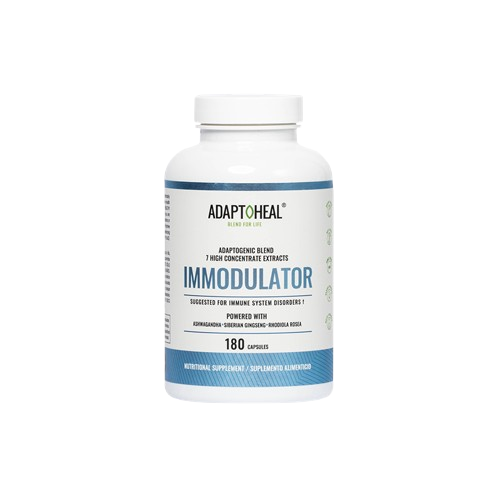
Unlike approaches that simply seek to "turn off" the body's response, immunomodulation focuses on recalibrating the system. The use of adaptogens and specific nutrients helps stabilize mast cell membranes and reduce IgE antibody synthesis without causing drowsiness or fatigue. By providing the body with the resources to regain its homeostasis, we allow the spring transition to be a natural adaptation process and not a recurrent health crisis. Prioritizing the biological terrain is the only way to achieve true seasonal freedom.
If you feel that your body needs a boost to better manage the challenges of this season, remember that balance begins at the root of your digestive system. We invite you to delve deeper into this topic in our digital community.
Your gut needs support: connect with us on Instagram for more holistic health tips.