

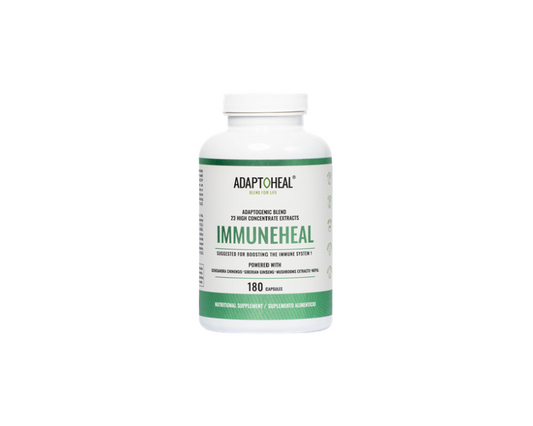



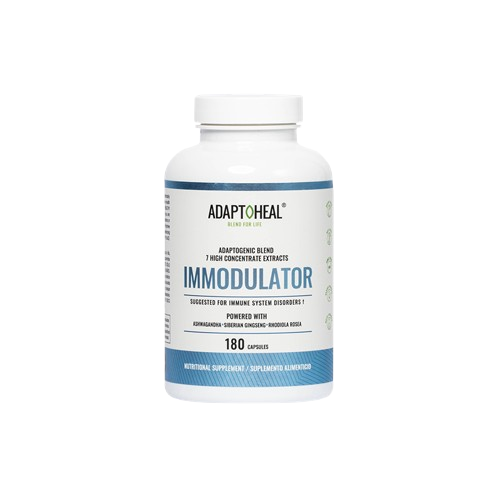

When to strengthen and when to modulate the immune system?
The immune system is a complex network of cells, tissues, and organs that protects the body against external agents like viruses, bacteria, and toxins. However, strengthening this system is not always the solution. In certain cases, what it truly needs is to be modulated to prevent excessive or unbalanced responses.
Understanding when to stimulate and when to regulate the immune system is key to maintaining balance and overall health. This article will clearly explain, based on scientific evidence, when it is advisable to strengthen it and when, instead, it is necessary to modulate it.
What does strengthening the immune system mean?
Strengthening the immune system involves providing it with the necessary nutrients and habits to function optimally. This is useful when the system is weakened or compromised by factors such as:
-
Chronic stress
-
Lack of sleep
-
Nutrient-poor diet
-
Sedentary lifestyle
-
Vitamin deficiencies (such as vitamin D, C, or zinc)
-
Frequent infections
In these cases, the body needs support to respond effectively to viruses or bacteria and benefits from immunostimulant strategies such as:
-
Diet rich in nutrient-dense foods
-
Moderate and consistent exercise
-
Occasional use of adaptogens like reishi or ashwagandha
-
Adequate sun exposure
-
Natural supplements under professional supervision
If you're looking to take care of yourself with what nature provides, I invite you to explore how natural products can be an act of self-love.
What does modulating the immune system mean?
Modulating the immune system means balancing its activity to prevent excessive or inappropriate responses, as occurs in:
-
Autoimmune diseases (lupus, rheumatoid arthritis, etc.)
-
Chronic inflammation
-
Allergies
-
Food intolerances
-
High cellular oxidative stress
In these cases, strengthening could be counterproductive. For example, stimulating an overactive immune system could worsen an autoimmune disease. What is needed here is modulation, that is, to calm, redirect, and regulate the immune response.
Among immunomodulatory therapies, we find:
-
Ozone therapy
-
Specific supplementation (vitamin D, turmeric, omega 3)
-
Anti-inflammatory diet
-
Stress reduction with techniques such as meditation, yoga, or reflexology
-
Integrative therapies, such as neural therapy or the use of selective adaptogens
If you want to turn your goals into reality, discover the keys to organizing yourself and creating an effective plan to lead you to success.
How to know what your immune system needs?
It is essential not to self-medicate or self-diagnose. Determining whether you should strengthen or modulate your immune system requires an integrative professional evaluation that considers:
-
Your personal and family history
-
Your daily habits
-
Your emotional and mental state
-
Your current clinical analyses
An integrative approach allows for personalized treatment and decision-making based on the actual state of the immune system.
The immune system doesn't always need to be stronger; often, what it needs is balance. Strengthening is useful when there is weakness, recurrent infections, or deficiency states. But at other times, modulation is indicated, especially when there are inflammatory or autoimmune processes.
Adopting a more conscious and personalized approach to your health will allow you to better choose your tools and avoid generic solutions that might not be suitable for you.