

 UE
UE México




Stress and defenses: how cortisol affects your immune system
We live in a time when going "a thousand miles an hour" seems normal. However, that pace comes at a cost: when stress becomes constant, it not only affects your mood and ability to concentrate, but it also directly impacts your immune health. The relationship between stress and the immune system largely involves a key hormone: cortisol.
In this article, we'll explore how high cortisol and chronic stress can contribute to a low immune system, what signs you should look for in your daily life, and what you can do to protect your defenses with a holistic approach. Finally, we'll show you how adaptogen formulas like Immuneheal and Energyheal can be part of a conscious strategy to care for your well-being, always as a complement to healthy habits and professional medical guidance.
What is cortisol and what does it have to do with stress?
Cortisol is a hormone produced by the adrenal glands. It is known as the "stress hormone" because its release increases when the body perceives a threat: a heated argument, a deadline, a fright, a financial problem, etc.
Under normal conditions, cortisol fulfills very important functions:
-
It helps mobilize energy when you need it.
-
It participates in the regulation of blood pressure.
-
It influences the metabolism of fats, proteins, and carbohydrates.
-
It is part of inflammatory and immune response mechanisms.
The problem is not cortisol itself, but sustained high cortisol. When your body lives as if it were "in an emergency" every day, this hormone stops being a temporary ally and begins to have negative effects on different systems, including the immune system.
That's where the relationship between stress and the immune system becomes critical: what started as a short-term adaptive response can become a factor that weakens your defenses in the medium and long term.
Acute stress vs. chronic stress: when the alarm no longer turns off
Not all stress is bad. Acute stress (a specific situation that requires a quick response) can help you react, focus, and solve a problem. In these cases, cortisol rises for a while and then returns to normal levels.
The challenge begins when stress stops being an exception and becomes the backdrop of your life:
-
Endless workdays.
-
Constant financial worries.
-
Lack of real rest (sleeping too little or poorly).
-
Excessive digital stimuli and little disconnection.
This is known as chronic stress. In this scenario, the body maintains altered cortisol levels for longer than it can handle. And, over the months, this can impact your immune health in several ways:
-
Increased susceptibility to common infections.
-
Low-grade inflammatory processes that become "background noise."
-
Feeling permanently exhausted, even after sleeping.
That's why many people describe this state as "being burned out inside": it's not just fatigue, it's the sum of chronic stress + low immunity.
How high cortisol affects your immune system
To understand the connection between stress and the immune system, imagine that your defenses are an army that needs coordination, resources, and recovery time. High cortisol disrupts that balance:
-
It modulates the inflammatory response
-
In the short term, cortisol can have anti-inflammatory effects.
-
But when it remains elevated, it can unbalance how your body regulates inflammation, favoring low-grade inflammatory processes that end up wearing down the immune system.
-
It affects the production and function of immune cells
-
Sustained stress can alter the quantity and effectiveness of lymphocytes and other cells involved in defense.
-
This results in a low immune system, meaning a reduced ability to respond to viruses, bacteria, or other external agents.
-
It interferes with rest and recovery
-
High cortisol alters sleep cycles, and sleep is one of the pillars of immune health.
-
If you don't rest well, your body has less opportunity to repair tissues, regulate hormones, and "readjust" the immune response.
-
It favors unhealthy lifestyle choices
-
More stress usually means more cravings, more ultra-processed food, more sedentary behavior, and less time for self-care.
-
All of this creates a perfect environment for your defenses to weaken.
In summary: when stress becomes the norm, cortisol stops protecting you and starts to open small cracks in your immune system.
Signs that stress may be affecting your defenses
Each person is different, but some frequent signs that stress and the immune system could be connected in your case are:
-
You catch colds "for no reason" and take longer to recover.
-
You notice minor wounds that heal slower than usual.
-
You feel tired or "deflated" most of the day.
-
You sleep but don't rest; you wake up feeling like you haven't disconnected.
-
You experience more irritability, brain fog, or difficulty concentrating.
These signs are not a diagnosis, but they are a warning that there may be a combination of chronic stress + low immunity and that it's worth making adjustments and, if necessary, consulting with a healthcare professional.
Practical strategies to protect your immune health against stress
Before talking about supplements, it's important to emphasize the basics: no capsule replaces the pillars of well-being. To care for your immune health in the face of stress, it's advisable to work on these areas:
-
Sleep: prioritize 7 to 9 hours of quality rest, with more or less consistent schedules.
-
Movement: you don't need to train like an athlete, but you do need to incorporate regular physical activity (walking, dancing, light exercise...).
-
Nutrition: base your diet on fresh foods (fruits, vegetables, quality proteins, healthy fats) and reduce ultra-processed foods and added sugars.
-
Emotional management: therapy, meditation, conscious breathing, journaling, or any tool that helps you process what you experience.
-
Digital and work boundaries: learning to say "that's enough" is also a way to strengthen your immune system.
Once these pillars begin to improve, it makes more sense to consider additional support such as adaptogens and other supplements.
Adaptogens, cortisol, and the immune system: support for balance
Adaptogens are natural extracts that help the body adapt better to stress. Unlike temporary stimulants, their goal is not to "speed you up," but to promote a more balanced response from the body.
In the context of stress and the immune system, adaptogens can:
-
Support the regulation of the stress-cortisol axis.
-
Contribute to a more stable sense of energy (without sudden peaks and drops).
-
Complement immune health care when stress is a significant factor.
They are not a medical treatment for high cortisol, nor a "cure" for immune system diseases, but they can be part of a more conscious wellness strategy, always alongside good habits and, if necessary, professional guidance.
How Immuneheal and Energyheal fit into a strategy against stress and the immune system
Within the AdaptoHeal universe, there are two formulas that directly intersect with the topic of stress and the immune system: Immuneheal and Energyheal. Each addresses the problem from a complementary angle.
Immuneheal: direct support for your immune health
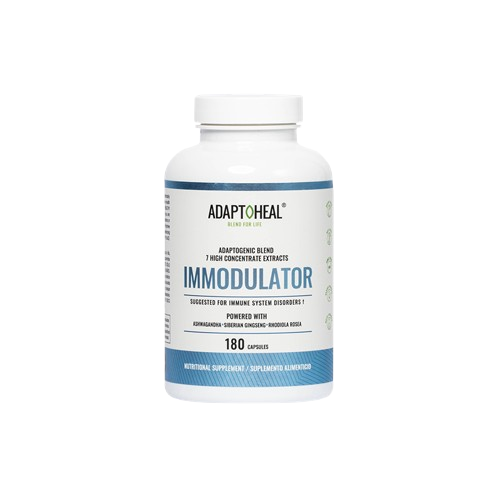
Immuneheal is designed to support your immune health holistically. It combines adaptogens and other key ingredients aimed at:
-
Supporting the normal functioning of the immune system.
-
Sustaining your defenses during periods of higher demand (seasonal changes, periods of intense stress, etc.).
-
Offering continuous support for those who want to address their low immunity from a preventive approach.
It does not replace medical treatment or a balanced diet, but it can be an ally when you decide to take a more structured approach to caring for your defenses.
-
Learn about Immuneheal 90 capsules:
https://www.adaptohealusa.com/products/immuneheal-adaptogenos-sistema-inmunologico-90-caps -
Explore Immuneheal 180 capsules (ideal for longer programs):
https://www.adaptohealusa.com/products/immuneheal-adaptogenos-sistema-inmunologico-180-caps -
Also check out the Immune Health Collection:
https://www.adaptohealusa.com/collections/salud-inmunologica
Energyheal: natural energy and stress-related fatigue management
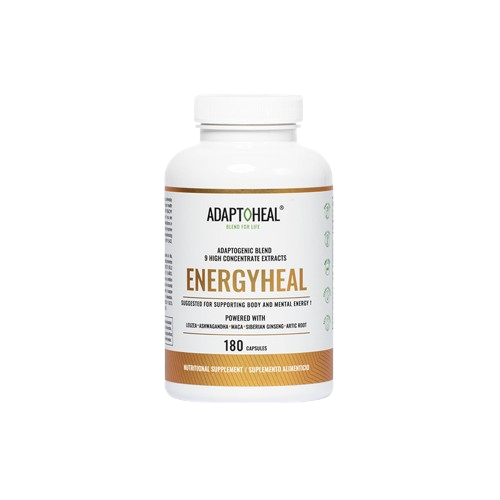
Chronic stress not only affects your defenses, it also drains your energy. That's where Energyheal comes in, a formula with adaptogens designed for those seeking natural and more stable energy, without relying on caffeine or other stimulants.
Energyheal is aimed at:
-
Supporting physical energy and mental focus in daily life.
-
Assisting with stress management, which in turn influences your immune health.
-
Reducing the feeling of exhaustion associated with long days and mental overload.
In other words, while Immuneheal focuses on your defenses, Energyheal complements from the angle of vitality and stress-related fatigue.
-
Learn about Energyheal 90 capsules:
https://www.adaptohealusa.com/products/energyheal-adaptogenos-aumentar-energia-natural-90-caps -
Explore Energyheal 180 capsules:
https://www.adaptohealusa.com/products/energyheal-adaptogenos-aumentar-energia-natural-180-caps -
Discover the Energy and Vitality Collection:
https://www.adaptohealusa.com/collections/energia-y-vitalidad
When should you seek professional help?
Although this article helps you better understand the relationship between stress and the immune system, there are situations where it is essential to consult a healthcare professional:
-
Extreme fatigue that does not improve with rest.
-
Unintentional weight loss, prolonged fever, or other alarming symptoms.
-
Frequent or unusual infections.
-
Suspected autoimmune or chronic diseases.
-
Feelings of intense anxiety or sadness that interfere with your daily life.
In these cases, no supplement—no matter how natural—replaces medical evaluation. Ideally, you should view products like Immuneheal or Energyheal as complementary tools within a comprehensive plan designed with your doctor or nutritionist.
Conclusion: caring for your defenses also means managing your stress
The conversation about defenses often focuses on vitamins and weather changes, but the reality is that the connection between stress and the immune system is just as important. Sustained high cortisol levels can erode your immune health, leaving you more vulnerable and exhausted.
The good news is that you are not helpless: you can intervene through your habits, your rest, your way of managing emotions, and, if you deem it appropriate, with the support of carefully designed formulas with adaptogens like Immuneheal and Energyheal.
If you feel that your body is taking its toll, this may be a good time to review your lifestyle, talk to a healthcare professional, and explore the AdaptoHeal product line that best suits your needs. Your defenses are not only strengthened by what you eat, but also by how you choose to live and manage stress every day.