
 UE
UE México




Chronic Inflammation: Causes, Symptoms, and How Adaptogens Help Regulate It
Inflammation is a natural response of the body to protect us from injuries, infections, and other external factors. However, when this defensive mechanism remains active for too long—even without a real threat—it can transform into what is known as chronic inflammation, a silent condition that affects the immune system, metabolism, hormonal system, and virtually all organs.
This type of low-grade inflammation is directly related to autoimmune diseases, digestive disorders, hormonal imbalances, persistent fatigue, generalized body pain, oxidative stress, and a gradual deterioration of overall well-being. Many people suffer from it unknowingly because its symptoms are often subtle at first and can be confused with exhaustion, anxiety, or "normal discomfort."
In this article, you will understand:
- What chronic inflammation truly is
- What causes it
- What are the most common symptoms
- How it relates to immune response, cellular inflammation, and autoimmunity
- And, above all, how adaptogens can be a natural tool to help regulate it
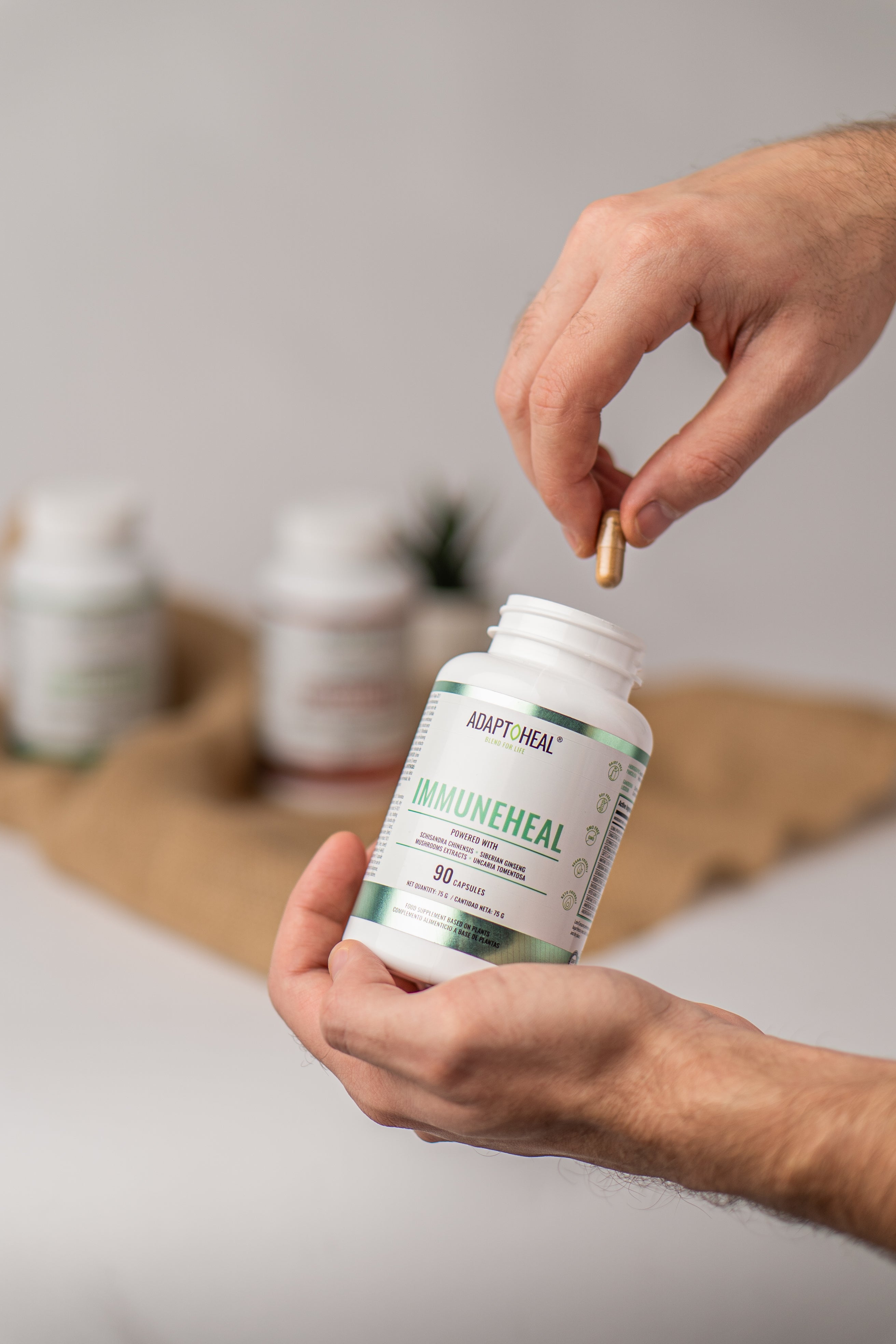
Natural adaptogens included in formulas like Immodulator and Immuneheal, found in the AdaptoHeal catalog, offer real support to modulate the immune response, reduce cellular inflammation, balance oxidative stress, and strengthen the immune system from within.
If you are looking for a clear, direct, and easy-to-understand explanation of this silent process—and how you can help your body regain balance—this article is the perfect starting point.
What is chronic inflammation and how does it differ from acute inflammation?
Inflammation is a natural defense mechanism of the body. Without it, we would not be able to fight infections, repair damaged tissues, or activate protective mechanisms. However, not all inflammation is the same. There are two main types: acute inflammation and chronic inflammation, each with very distinct characteristics, functions, and consequences.
Acute inflammation: the body's emergency response
It is the first line of defense against:
- Infections
- Bumps or injuries
- Burns
- Cuts
- Allergic reactions
- Irritating agents
This inflammation is temporary and positive. Its characteristics include:
- Redness
- Heat
- Pain
- Swelling
- Increased blood flow
Its function is clear: protect, repair, and restore. Once the body resolves the cause, the inflammation disappears.
Chronic inflammation: when the alarm never turns off
Chronic inflammation appears when this defense mechanism does not shut off properly. Instead of activating only when necessary, the immune system remains mistakenly on for weeks, months, or years.
This causes:
- Progressive damage to tissues and organs
- Alteration of the immune system
- Failures in cellular communication
- Permanent oxidative stress
- Over-activation of the immune system (autoimmunity)
Unlike acute inflammation, it is not visible. There is no obvious swelling or localized pain. It is silent, internal, and can go unnoticed for a long time.
Why does this type of inflammation occur?
Chronic inflammation is associated with multiple factors:
- Prolonged stress
- Inflammatory diets
- Lack of sleep
- Excess sugar or processed foods
- Environmental toxins
- Autoimmune disorders
- Digestive problems
- Persistent infections
- Sedentary lifestyle
- Hormonal imbalances
- Insulin resistance
- Alterations in gut microbiota
And here lies one of the keys to the problem: the immune system gets confused. Instead of deactivating the inflammatory response, it remains active, attacking its own tissues or causing unnecessary cellular inflammation.
Why is chronic inflammation so dangerous?
Because it is directly related to:
- Autoimmune disorders
- Persistent allergies
- Arthritis
- Metabolic diseases
- Cardiovascular diseases
- Chronic fatigue
- Intestinal diseases
- Migraines
- Resistant overweight
- Accelerated aging
It is a silent state that gradually deteriorates health without the person noticing clear signs at the beginning.
Symptoms of chronic inflammation: silent signs you should not ignore
Unlike acute inflammation—which is seen and felt immediately—chronic inflammation is stealthy. It acts slowly, wearing down tissues, altering hormones, affecting energy, and weakening the immune response. This is why many people don't realize they have it until the symptoms are very advanced or manifest as more serious illnesses.
Here are the most common signs that could indicate your body is dealing with a state of low-grade, constant, and harmful inflammation:
1. Persistent fatigue or exhaustion without apparent cause
Constant cellular inflammation consumes energy because it forces the immune system to work tirelessly. If you feel tired even after sleeping well, this could be a reflection of internal inflammation.
2. Chronic body pain or generalized sensitivity
Appears as:
- Muscle aches
- Morning stiffness
- Joint discomfort
- Tight or stiff back
- Sensitivity to touch
Inflammation damages tissues and sensitizes nerve endings, leading to continuous pain.
3. Recurrent digestive problems
When there is intestinal inflammation, the microbiota and nutrient absorption are altered. The most frequent symptoms include:
- Bloating
- Gas
- Constipation or diarrhea
- Slow digestion
- New intolerances
This is one of the most common focuses of chronic inflammation.
4. Difficulty losing weight or inexplicable weight gain
Inflammation alters hormones related to metabolism and insulin. That's why many people fail to lose weight even with diet and exercise.
5. Constant stress, anxiety or irritability
Chronic stress increases inflammation, and inflammation increases stress. It's a vicious cycle where:
- Cortisol increases
- Serotonin decreases
- Sleep quality is altered
- Mood swings appear
6. Frequent infections or weakened immune system
Chronic inflammation affects the immune response, causing:
- Recurrent colds
- Throat or urinary infections
- Slow recovery
- Increasingly intense allergies
This is because the immune system is overloaded and loses efficiency.
7. Skin problems: breakouts, redness or irritation
Skin reflects internal inflammation. The most common indicators are:
- Adult acne
- Dermatitis
- Rosacea
- Sensitive or inflamed skin
- Slow healing
8. Brain fog and concentration problems
Cellular inflammation affects neurotransmitters and cerebral blood flow, causing:
- Difficulty concentrating
- Scattered memory
- Feeling of a "slow" mind
9. Unexplained hormonal changes
Inflammation can disrupt communication between endocrine glands, leading to:
- Irregular cycles
- Intense premenstrual syndrome
- Changes in libido
- Thyroid disruptions
10. Frequent headaches or migraines
Oxidative stress and inflammatory mediators sensitize blood vessels and nerves, causing recurrent headaches.
Main causes of chronic inflammation and how they affect your health
Chronic inflammation does not appear out of nowhere. It is the result of multiple factors that, over time, overstimulate the immune system, damage cells, and alter essential processes such as metabolism, cell repair, and hormonal balance. Understanding its causes is the first step to preventing it, regulating it, and restoring well-being.
Below, I explain the most relevant causes and how each one silently and persistently activates low-grade inflammation.
1. Prolonged stress and cortisol dysregulation
Sustained stress is one of the most important triggers. When the body perceives constant threat:
- Cortisol levels increase
- The immune response is altered
- Cellular inflammation is triggered
- Antioxidant mechanisms are weakened
This state keeps the body in "permanent alert," initiating a continuous inflammatory process.
2. Inflammatory diet
A diet rich in:
- Refined sugars
- White flours
- Processed vegetable oils
- Ultra-processed foods
- Fried foods
- Sugary drinks
promotes cellular inflammation, alters the gut microbiota, and activates unnecessary immune responses. Eating this way constantly leads the body to a basal inflammatory state that deteriorates tissues and organs.
3. Digestive problems or gut dysbiosis
The gut is the center of human immunity. When the microbiota is unbalanced:
- The intestinal barrier weakens
- Toxins filter into the blood ("leaky gut")
- The immune system becomes overactive
- Systemic inflammation appears
That's why symptoms like gas, bloating, or intolerances can be indicators of internal inflammation.
4. Environmental toxins and pollutants
Continuous exposure to:
- Heavy metals
- Pesticides
- Plastics
- Household chemicals
- Smoke
- Air pollution
generates oxidative stress, cellular alterations, and persistent inflammation.
5. Sedentary lifestyle or insufficient physical activity
Movement helps regulate inflammation. When the body does not move enough:
- Circulation stagnates
- Metabolic hormones are altered
- Oxidative stress increases
- Inflammatory markers accumulate
This contributes to fatigue, body pain, and slow metabolism.
6. Inadequate sleep
Sleeping less than necessary alters:
- Cell repair
- Hepatic detoxification
- Emotional regulation
- The immune system
And activates inflammatory mediators that accumulate over time.
7. Persistent or unresolved infections
Viral, bacterial, or fungal infections can activate inflammation linked to:
- Old viruses that remain latent
- Recurrent intestinal infections
- Constant urinary infections
- Bacterial overgrowth (SIBO)
The immune system responds tirelessly, generating systemic inflammation.
8. Autoimmune conditions
In autoimmunity, the immune system mistakenly attacks its own tissues. This process generates:
- Intense cellular inflammation
- Progressive damage
- Overactivation of defenses
- Elevated oxidative stress
Here, immunomodulatory adaptogens become especially valuable (as we will see later).
9. Hormonal imbalances
Hormones such as cortisol, insulin, thyroid, estrogen, and progesterone directly influence inflammation. Any imbalance can activate low-grade inflammation.
10. Resistant overweight or visceral adiposity
Abdominal fat produces inflammatory substances by itself. This state generates a vicious cycle difficult to break without additional support.
Understanding these causes allows us to act before chronic inflammation leads to more serious diseases.
How adaptogens help regulate chronic inflammation: mechanisms and real benefits
Adaptogens are plants, roots, and fungi capable of helping the body regain internal balance against factors such as stress, immune imbalance, and cellular damage. Their action becomes especially important when we talk about chronic inflammation, as this condition combines immunological alterations, cellular inflammation, oxidative stress, and constant activation of the defense system.
Formulas like Immodulator and Immuneheal, both from AdaptoHeal, bring together adaptogens with immunomodulatory, anti-inflammatory, and antioxidant properties that act directly on the mechanisms that sustain chronic inflammation.
Let's see how they work.
1. Modulate the immune system (they do not stimulate or suppress it)
Chronic inflammation is often the result of an immune system that is:
- Hyperactive (autoimmunity)
- Weakened
- Or dysregulated
Adaptogens help regulate—not overactivate or shut down—the immune response.
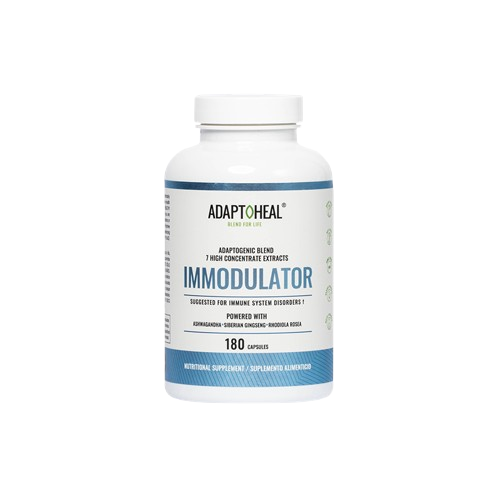
In Immodulator, adaptogens such as Astragalus, Reishi, Siberian Ginseng, Ashwagandha, Arctic Root, Noni, and Sutherlandia help to:
- Normalize the response of immune cells
- Prevent unnecessary attacks on healthy tissues
- Reduce inflammation caused by autoimmunity
- Strengthen the defense system without overloading it
This formula is indicated in the catalog to modulate altered immune functions in cases of allergies, asthma, multiple sclerosis, arthritis, Hashimoto's, Crohn's, ulcerative colitis, lupus, and more.
2. Reduce cellular inflammation
Chronic inflammation often begins at the cellular level. Adaptogens act by reducing inflammatory mediators such as:
- Pro-inflammatory cytokines
- Free radicals
- Prostaglandins
- Markers of oxidative stress
In Immuneheal, adaptogens such as Reishi, Coriolus, Shiitake, Maitake, Chaga, Anamú, Cat's Claw, and Pau D'Arco work on:
- Persistent inflammatory processes
- Micro-inflammation in tissues
- Accumulation of cellular toxins
- Intestinal and systemic inflammation
This formula brings together 22 highly recognized adaptogens, according to the catalog, to boost the immune system and improve the response to modern stressors.
3. Decrease oxidative stress (one of the drivers of chronic inflammation)
Oxidative stress occurs when the body produces more free radicals than it can neutralize. This damages cells, accelerates aging, and activates inflammation.
Many adaptogens contain natural antioxidant compounds that help to:
- Protect cells from damage
- Reduce free radicals
- Repair affected tissues
- Prevent accelerated aging
- Improve cellular energy
Adaptogens like Reishi, Rhodiola, Siberian Ginseng, Chaga, Schisandra, and Maca present in both formulas contribute to restoring antioxidant balance.
4. Regulate the stress axis (HPA), reducing chronic cortisol
Sustained stress keeps inflammation active. Adaptogens act directly on the HPA axis (hypothalamic–pituitary–adrenal), helping to:
- Reduce elevated cortisol
- Stop stress-induced inflammation
- Improve sleep and recovery
- Strengthen mental and physical adaptation capacity
Formulas like Immodulator and Immuneheal integrate stress-regulating adaptogens such as:
- Ashwagandha
- Rhodiola
- Siberian Ginseng
- American Ginseng
All present in the official catalog.
5. Improve cellular communication and internal balance
Chronic inflammation alters how cells communicate with each other. Adaptogens help to:
- Restore homeostasis
- Promote detoxification
- Regulate metabolic and immune functions
- Reduce systemic inflammation
Adaptogens like Gotu Kola, Goldenseal, Schisandra, and Astragalus contribute to a global regulation of the organism.
6. Support chronic and autoimmune conditions
According to the catalog, Immodulator is specifically formulated to modulate the immune response in autoimmune and chronic diseases such as:
- Arthritis
- Lupus
- Asthma
- Multiple sclerosis
- Hashimoto's
- Crohn's
- Ulcerative colitis
- Diabetes
- Psoriasis
- Myasthenia gravis
This makes it one of the most complete adaptogenic supplements for chronic inflammation of immunological origin.
On the other hand, Immuneheal, with its 22 adaptogens, offers comprehensive support for:
- Recurrent infections
- Persistent viruses
- Immune weakness
- Inflammation due to stress and lifestyle
The best adaptogens against chronic inflammation (and why AdaptoHeal formulas bring them all together)
Adaptogens are powerful natural tools to modulate chronic inflammation, balance the immune response, reduce oxidative stress, and support the body against inflammatory or autoimmune diseases. However, not all adaptogens perform the same function or have the same level of traditional or clinical evidence.
AdaptoHeal's Immodulator and Immuneheal formulas combine some of the most studied adaptogens to regulate inflammation, modulate the immune system, and restore internal balance. Below, I present the most effective adaptogens—all included in these formulas—and why they are so important for combating chronic inflammation.
1. Astragalus – Deep immune modulation
Present in both Immodulator and Immuneheal
Astragalus is one of the best-known immunological adaptogens. It helps to:
- Regulate the immune response
- Reduce systemic inflammation
- Strengthen weakened defenses
- Protect cells from oxidative damage
In Immodulator, Astragalus contributes to modulating immune hyperresponsiveness in autoimmune conditions such as lupus, arthritis, and Hashimoto's.
2. Reishi – Anti-inflammatory, antioxidant, and stress regulator
Included in Immodulator and Immuneheal
Reishi is considered one of the most potent adaptogens for:
- Reducing inflammatory cytokines
- Decreasing oxidative stress
- Supporting the immune system
- Regulating cortisol
- Improving the inflammatory gut environment
Its presence in both formulas reinforces its anti-inflammatory and balancing action.
3. Cat's Claw – Potent natural anti-inflammatory
Present in Immuneheal
This Amazonian plant is recognized for:
- Reducing chronic inflammation
- Modifying unbalanced immune responses
- Supporting inflammation of viral or digestive origin
In combination with adaptogens like Chaga or Pau D'Arco, it further enhances the reduction of cellular inflammation.
4. Arctic Root (Rhodiola) – Stress and cortisol control
Present in Immodulator and Immuneheal
Stress is one of the main causes of chronic inflammation. Rhodiola helps to:
- Regulate the stress axis
- Reduce chronic cortisol
- Improve mental energy
- Curb stress-induced inflammation
It is a key adaptogen in stress-related inflammatory disorders.
5. Maitake, Shiitake, and Coriolus – Anti-inflammatory immune trio
Present in Immuneheal
These three medicinal mushrooms work as:
- Immune system modulators
- Antioxidant system activators
- Cellular inflammation reducers
- Support in viral and chronic infections
Their synergy makes Immuneheal one of the most complete formulas in the catalog for altered inflammation levels.
6. Ashwagandha – Stress-induced inflammation reducer
Present in Immodulator
This adaptogen is ideal for people with:
- Chronic stress
- Exhaustion
- Insomnia
- Hypercortisolism
It reduces inflammatory markers and improves the body's ability to recover from prolonged stress.
7. Pau D'Arco and Anamú – Deep anti-inflammatories
Present in Immuneheal
Both help to:
- Reduce cellular inflammation
- Combat persistent infections
- Support the immune system
- Protect tissues affected by prolonged inflammation
They are ideal for states of multisystemic inflammation.
8. Sutherlandia – Immunomodulatory adaptogen for autoimmunity
Present in Immodulator
It helps to:
- Regulate immune hyperresponse
- Reduce autoimmune inflammation
- Improve symptoms associated with chronic diseases
It is one of the adaptogens with the greatest potential for people with autoimmune pathologies.
9. Chaga – Super antioxidant against oxidative stress
Present in Immuneheal
Chaga combats:
- Oxidative stress
- Cell damage
- Persistent inflammation
- Accelerated aging
Ideal for combating the deterioration caused by years of silent inflammation.
10. Siberian Ginseng – Immune system and stress regulator
Present in Immodulator and Immuneheal
Provides:
- Stable energy
- Stress resilience
- Immune regulation
- Inflammation reduction
It helps restore internal homeostasis, key to controlling chronic inflammation.
Why are AdaptoHeal formulas so effective against chronic inflammation?
✔ They combine powerful adaptogens in well-balanced combinations ✔ They use high-quality concentrated extracts ✔ They do not contain allergens, colorants, gluten, dairy, wheat, or soy ✔ They do not interfere with allopathic treatments and can be used with them ✔ Each formula is designed for a clear function:
- Immuneheal: to boost and balance the immune system
- Immodulator: to modulate autoimmune and chronic inflammation
All of this is specified in the official AdaptoHeal catalog.
How to integrate Immodulator and Immuneheal into your routine to support chronic inflammation
Chronic inflammation is a complex process that requires a comprehensive approach: stress reduction, better nutrition, adequate rest, and natural support to regulate the immune response. This is where Immodulator and Immuneheal work as strategic allies. Both formulas provide immunomodulatory adaptogens capable of helping the body regain balance, reduce cellular inflammation, and optimize immune function.
Below, I explain how to integrate them safely and effectively into your daily routine.
1. Understand their functions: when to use each one?
✔ Immuneheal
Ideal for people with inflammation related to:
- Stressful lifestyle
- Low defenses
- Recurrent infections
- Chronic fatigue
- Systemic inflammation due to oxidative stress
- Non-autoimmune immunological imbalances
Its formula combines 22 adaptogens to activate, strengthen, and balance the immune response, reducing inflammation at the cellular level and improving the body's ability to adapt to modern stressors.
✔ Immodulator
Ideal for people with:
- Autoimmune diseases
- Intense chronic inflammation
- Advanced inflammatory processes
- Severe allergies
- Arthritis, asthma, colitis, lupus, Hashimoto's, Crohn's
- Dysregulated immune response
It includes adaptogens like Ashwagandha, Astragalus, Siberian Ginseng, Noni, Arctic Root, Sutherlandia, and Reishi, designed to modulate the immune system instead of just stimulating it—key for autoimmune conditions.
2. Recommended dosage according to the official catalog
Immuneheal:
- 2 to 6 capsules daily
- Preferably with food
- Can be divided between morning and afternoon for sustained action
Immodulator:
- 2 to 6 capsules daily
- Also with meals for better absorption
- Ideal in two doses: 2 capsules in the morning + 2 capsules in the afternoon (Up to 6 as medically indicated)
Both supplements are formulated to be compatible with allopathic treatments and do not contain gluten, dairy, wheat, soy, or artificial colorants.
3. Can I use them together? (Short answer: yes, but with discretion)
For chronic inflammation without a confirmed autoimmune diagnosis, you can start with:
✔ Immunological and inflammatory support protocol:
- Immuneheal → immune system balance and strengthening
- Immodulator → deep modulation and reduction of internal inflammation
Their combination may be recommended for people with:
- Multisystemic inflammation
- Chronic fatigue
- High oxidative stress
- Persistent inflammatory processes
- Inflamed gut
- Recurrent respiratory problems
But: if you suspect an autoimmune disease or have been diagnosed, it is essential to discuss it with your doctor before combining them.
4. Best time of day to take them
Morning (start of the day):
Both supplements help regulate cortisol, activate energy, and modulate inflammation.
Ideal to take:
- 1–2 capsules of Immuneheal
- 1–2 capsules of Immodulator
Afternoon:
Maintains immunological stability and reduces accumulated inflammation.
Night:
It is not recommended to take them too late if you are sensitive to energetic adaptogens like Rhodiola or Ginseng.
5. Combine them with habits that enhance their effect
To achieve a real reduction in chronic inflammation:
✔ Sleep 7–9 hours daily ✔ Reduce inflammatory foods (sugars, fried foods, ultra-processed foods) ✔ Include omega-3, turmeric, ginger ✔ Take walks or moderate exercise ✔ Practice breathing or mindfulness ✔ Hydrate adequately ✔ Include natural antioxidants (red fruits, green vegetables)
Adaptogens work best in a holistic health environment.
6. Recommended time to notice real changes
Since chronic inflammation is a slow and cumulative process, adaptogens take time to act:
- First improvements: 3–4 weeks
- Deeper changes: 8–12 weeks
- Significant results: 3–6 months of continuous use
This coincides with the catalog's recommendation: daily and constant use to maximize benefits.
7. Who should consult a doctor before using them?
✔ People with autoimmune diseases ✔ Pregnant or breastfeeding women ✔ People undergoing immunotherapy ✔ Patients with complex heart conditions ✔ People taking anticoagulants
Although AdaptoHeal products are safe, it is always best to validate with a healthcare professional in complex cases.
Conclusion: Chronic inflammation can be regulated—and adaptogens are a great starting point
Chronic inflammation is silent, progressive, and affects much more than we imagine: from energy and mood to the immune system, metabolism, skin, and long-term health. It is a complex process, yes... but it is also a regulatable process.
Understanding its causes—prolonged stress, inflammatory diet, digestive problems, environmental toxins, autoimmunity, hormonal imbalances—is the first step to curbing it. The second step is to support the body with tools capable of modulating the immune response, reducing cellular inflammation, decreasing oxidative stress, and restoring the body's internal communication.
That's where natural adaptogens make a real difference.
Formulas like Immodulator and Immuneheal bring together some of the most powerful adaptogens to regulate chronic inflammation:
- Immodulator is designed to modulate the immune response, ideal for autoimmune processes or severe inflammation.
- Immuneheal offers comprehensive support for the immune system, combating lifestyle inflammation, recurrent infections, and cellular imbalance.
Both products are formulated with concentrated extracts, free of common allergens, and do not interfere with conventional medical treatments.
This makes them a natural, safe, and strategic option for those seeking to regain internal balance and well-being from the root—not just to alleviate symptoms—.