The female hormonal system is a complex network of hormones and organs that work together to regulate the menstrual cycle and fertility in women. It is controlled by the pituitary gland and the ovaries, and it plays a crucial role in ovulation, menstruation and pregnancy.
However, many women experience hormonal imbalances that can cause symptoms such as mood changes, menstrual disorders and difficulty conceiving. In this article, we discuss how the female hormonal system works and what a hormonal imbalance is.
Systems that control the female hormonal system
The pituitary gland: A gland at the base of the brain responsible for producing the hormones that regulate the menstrual cycle and fertility. The main hormone produced by the pituitary gland is follicle-stimulating hormone (FSH), which stimulates the growth of follicles in the ovaries.
The ovaries: The female reproductive organs that produce hormones and eggs. During the menstrual cycle, one of the follicles matures and releases an egg, a process known as ovulation. The ovaries also produce estrogen and progesterone, the hormones that regulate the menstrual cycle.
The menstrual cycle: The process through which the body prepares for conception. The cycle begins with menstruation and lasts about 28 days. On the first day of the cycle, the pituitary gland releases FSH, which stimulates the growth of follicles in the ovaries. One of the follicles matures and releases an egg, while the ovaries produce estrogen and progesterone.
Hormonal imbalance
A hormonal imbalance refers to a change in the amount or action of hormones in the body. It can happen for a variety of reasons, such as thyroid disorders, adrenal gland disorders, age-related changes like menopause, or the use of certain medications.
A hormonal imbalance can cause symptoms such as mood changes, menstrual disorders and difficulty conceiving.
Some common symptoms include: changes in the menstrual cycle, changes in appetite, weight changes, tiredness, mood swings, skin problems, sleep problems, headaches, changes in libido, among others.
Treatment for a hormonal imbalance depends on the underlying cause and may include changes to diet and lifestyle, hormone therapy, nutritional supplements or medication.
It is also important to mention that some hormonal imbalances are caused by underlying diseases or conditions, such as polycystic ovary syndrome or hypothyroidism, which must be treated directly to resolve the imbalance.
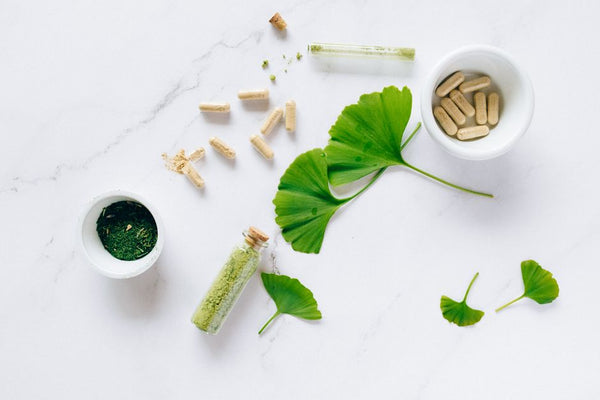
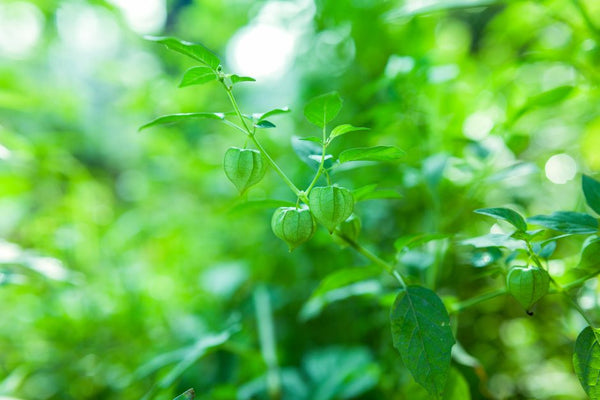
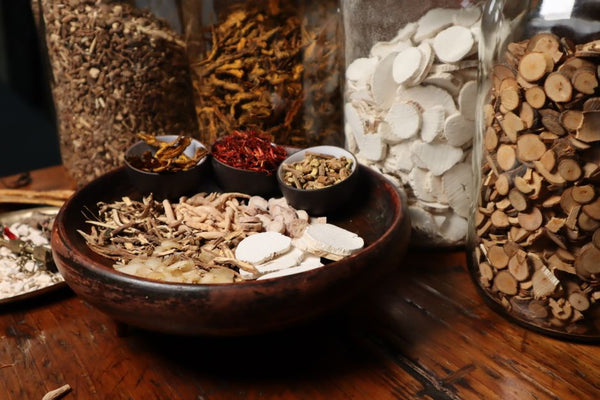
Did you know that plants such as Vitex, wild yam and Dong quai support the female hormonal system? All of them are ingredients in our Hormobalance.