In a world full of stress, pollution and demanding lifestyles, more and more people are looking for natural solutions that help them maintain internal balance. Adaptogens —herbs, roots and other plant compounds— have drawn attention for their potential to modulate the stress response and strengthen the immune system. In this article, you'll discover what adaptogens really are, how they work, their benefits proven to date, and the precautions you should take when using them.
What are adaptogens?
Adaptogens are plant-based substances —such as herbs, mushrooms or roots— that help the body "adapt" to stressors (whether physical, emotional or hormonal) and help it return to a state of balance (homeostasis).
For a plant or substance to be considered an adaptogen, it must meet three main criteria:
-
Be safe (non-toxic) at normal doses.
-
Help the body cope with different types of stress.
-
Promote the restoration of internal balance after stress.
Among other mechanisms, these substances act on the hypothalamic-pituitary-adrenal (HPA) axis, regulating hormones such as cortisol when there is an excess or deficiency, to stabilize the stress response.
What are adaptogens used for?
Adaptogens have a wide variety of uses and are credited with many potential benefits, although keep in mind that much of the evidence is still being researched in humans. These are some of their best-known applications:
-
Stress modulation: they help balance the production of cortisol and other stress hormones, easing the negative effects of chronic stress.
-
More energy and less fatigue: some adaptogens can support physical and mental stamina, especially during periods of overload.
-
Immune system support: certain adaptogenic plants have immunomodulating effects, helping keep the immune system more balanced against threats.
-
Hormonal balance: some adaptogens can help with hormonal regulation, which is especially useful in conditions of imbalance (menopause, adrenal fatigue, etc.).
-
Neuroprotective effect and better cognition: studies show these substances may protect the nervous system, improve concentration and reduce the effects of mental stress.
What is the best adaptogen?
There is no "best universal adaptogen" that works for everyone, because the effect depends on the person, their condition, needs and context. Some of the most studied (and popular) are:
-
Ashwagandha (Withania somnifera)
-
Ginseng (Panax ginseng or Panax quinquefolius)
-
Rhodiola rosea
-
Schisandra chinensis
-
Eleuthero (Eleutherococcus senticosus)
-
Tulsi (holy basil / Ocimum sanctum)
-
Cordyceps
Each has its own profile of action: for example, ashwagandha is often used for stress and anxiety; rhodiola is known for improving resistance to mental fatigue; ginseng may be relevant for immunity and revitalization; schisandra is useful for general adaptability.
The choice depends on what you want to achieve and how your body responds. A professional in herbal or integrative health can guide you in choosing the right one.
What are the best-known adaptogenic plants?
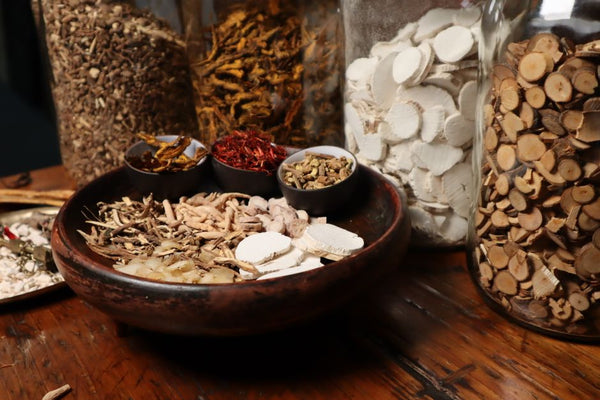
Here is a representative list of well-known adaptogenic plants, some of them widely used in traditional medicine:
-
Ashwagandha
-
Ginseng (Panax)
-
Rhodiola
-
Schisandra
-
Eleuthero (Siberian ginseng)
-
Tulsi (holy basil)
-
Cordyceps
-
Astragalus
-
Bacopa
-
Amla
-
Licorice
Besides these, there are many others with adaptogenic properties described in modern herbalism.
How should you take adaptogens?
-
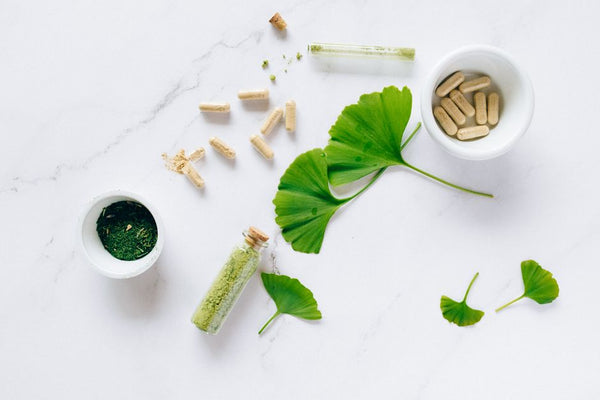
Common forms: capsules, powders, liquid tinctures, teas.
-
Dose and duration: many approaches use an adaptogen continuously for a few weeks, with periodic breaks.
-
Precautions: even though they are natural, they can have side effects or interact with medications. People who are pregnant, breastfeeding or have medical conditions should consult a professional first.
-
Quality matters: it is essential to choose reliable suppliers with purity testing and quality certifications, since supplements are not always strictly regulated.
Conclusion
Adaptogens are a promising natural option to help the body cope with stress and promote a balanced immune system. However, they should not be seen as a magic solution. Ideally, they should be part of a healthy lifestyle: enough sleep, a balanced diet, stress management and exercise. If you decide to use them, do so carefully, consulting qualified professionals and choosing trustworthy products.
Frequently asked questions about adaptogens
Do adaptogens help with weight loss?
Some adaptogens, such as ginseng or rhodiola, can support metabolism and energy, which indirectly helps with weight management plans. However, they are not a direct fat burner; they should be combined with a balanced diet and physical activity.
Can adaptogens improve sleep quality?
Yes. Adaptogens such as ashwagandha or schisandra have shown benefits for relaxation and for reducing stress-related insomnia. Taking them in the afternoon or evening is recommended to support deeper rest.
Is it safe to combine several adaptogens at once?
There are formulas that combine different adaptogenic plants to enhance their effects. In general, it is safe, but the important thing is to watch the doses and not exceed the manufacturer's recommendation. Ideally, start with a single adaptogen and later add blends under the guidance of a specialist.
Can children take adaptogens?
In most cases, adaptogens are not recommended for children without medical supervision. These formulas are designed mainly for adults, since their long-term effects in minors are not well known.
What is the difference between an adaptogen and a multivitamin?
A multivitamin provides essential vitamins and minerals, while adaptogens regulate the body's response to stress. They are different products, but they can complement each other: one nourishes, and the other helps with internal balance.