Poor circulation, also known as venous insufficiency, is a problem that affects millions of people around the world. It happens when blood does not flow properly through the veins, which can lead to a range of symptoms and complications.
What causes poor circulation?
Several factors can contribute to poor circulation, including:
- Age: The risk of circulatory problems increases with age.
- Sex: Women are more prone to poor circulation than men.
- Genetics: A genetic predisposition can increase the risk of circulatory problems.
- Lifestyle: A sedentary lifestyle, a poor diet and smoking are factors that can contribute to poor circulation.
- Diseases: Some diseases, such as diabetes, high blood pressure and obesity, can increase the risk of circulatory problems.
What are the symptoms of poor circulation?
The symptoms of poor circulation can vary depending on how severe the problem is. Some of the most common symptoms are:
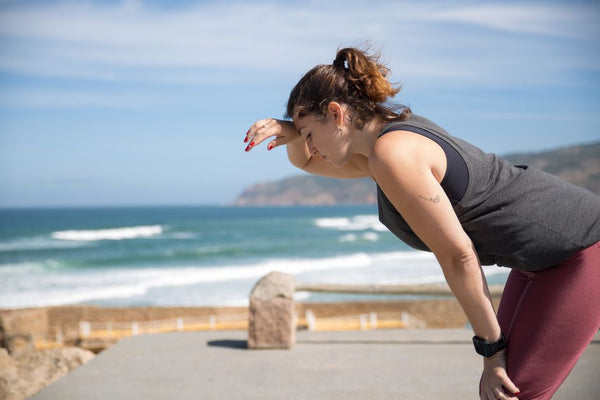
- Tired legs: A feeling of heaviness, pain and tingling in the legs.
- Varicose veins: Swollen, twisted veins that are visible on the surface of the skin.
- Swelling: Fluid buildup in the legs, ankles and feet.
- Muscle cramps: Involuntary contractions of the leg muscles.
- Changes in skin color: The skin may look pale or bluish in the affected areas.
- Venous ulcers: Open sores that form on the skin due to poor circulation.
How is poor circulation diagnosed?
Poor circulation is diagnosed through a physical exam and a series of tests, such as:
- Doppler ultrasound: Evaluates blood flow in the veins.
- Plethysmography: Measures the veins' capacity to hold blood.
- Computed tomography (CT) or magnetic resonance imaging (MRI): These can be used to get detailed images of the veins and blood vessels.
How is poor circulation treated?
Treatment for poor circulation depends on how severe the problem is and on its underlying cause. Some treatment options include:
- Lifestyle changes: Exercising regularly, maintaining a healthy weight and avoiding tobacco are steps that can help improve circulation.
- Compression stockings: They help improve blood flow in the legs.
- Medication: Medications can be used to relieve symptoms and prevent complications.
- Surgery: In severe cases, surgery may be used to repair damaged veins.
How can you prevent poor circulation?
To prevent poor circulation, it is important to:
- Lead a healthy lifestyle: Exercise regularly, maintain a healthy weight and avoid tobacco.
- Elevate your legs often: This helps improve blood flow in the legs.
- Avoid tight clothing: Tight clothing can restrict blood flow.
- Drink plenty of water: Proper hydration is important for keeping your veins healthy.
- Eat fiber-rich foods: Fiber helps regulate cholesterol and blood pressure, two factors that can contribute to poor circulation.
Circuheal: a natural ally for your heart
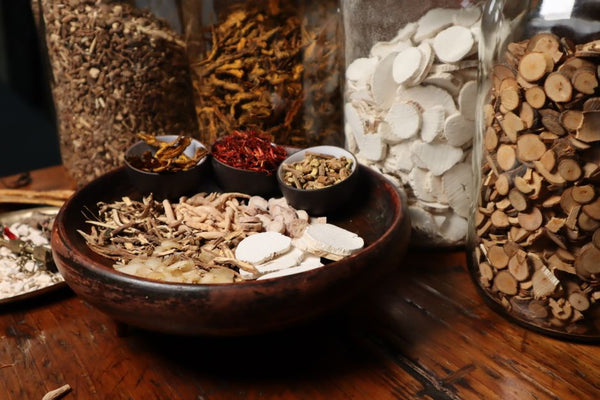
Circuheal is a natural dietary supplement that supports cardiovascular and circulatory health. Its unique blend includes 18 herbs and mushrooms carefully selected by experts for their remarkable cardiovascular and vascular benefits.
Benefits of Circuheal:
- Improves blood circulation: Reduces fatigue, cold skin and cold hands and feet.
- Strengthens the heart: Lowers the risk of cardiovascular conditions such as high blood pressure, high cholesterol and atherosclerosis.
- Boosts energy: You'll feel more vitality to enjoy your day-to-day life.
- Improves cognitive function: Oxygenates your brain and improves memory and concentration.
- Natural product: Made with naturally sourced ingredients and no side effects.
Who is Circuheal recommended for?
Circuheal is recommended for people who:
- Have circulatory problems such as tired legs, varicose veins or swelling.
- Want to prevent cardiovascular disease.